
From Staid to Striking: Why Lighting and Composition Matter in Professional Portraits
In today’s image-saturated professional landscape, a headshot is often a first impression made in milliseconds. Yet most fail not because the subject lacks presence, but because the image itself is visually undistinguished.
Flat lighting and generic composition produce portraits that are acceptable—and instantly forgettable.
Superior studio lighting changes that by shaping, not merely illuminating. Directional light adds dimension, defines facial structure, and creates tonal hierarchy, guiding the viewer’s eye to what matters most. Thoughtful lighting choices quietly communicate authority, approachability, or confidence, tailored to the subject’s role and personality.
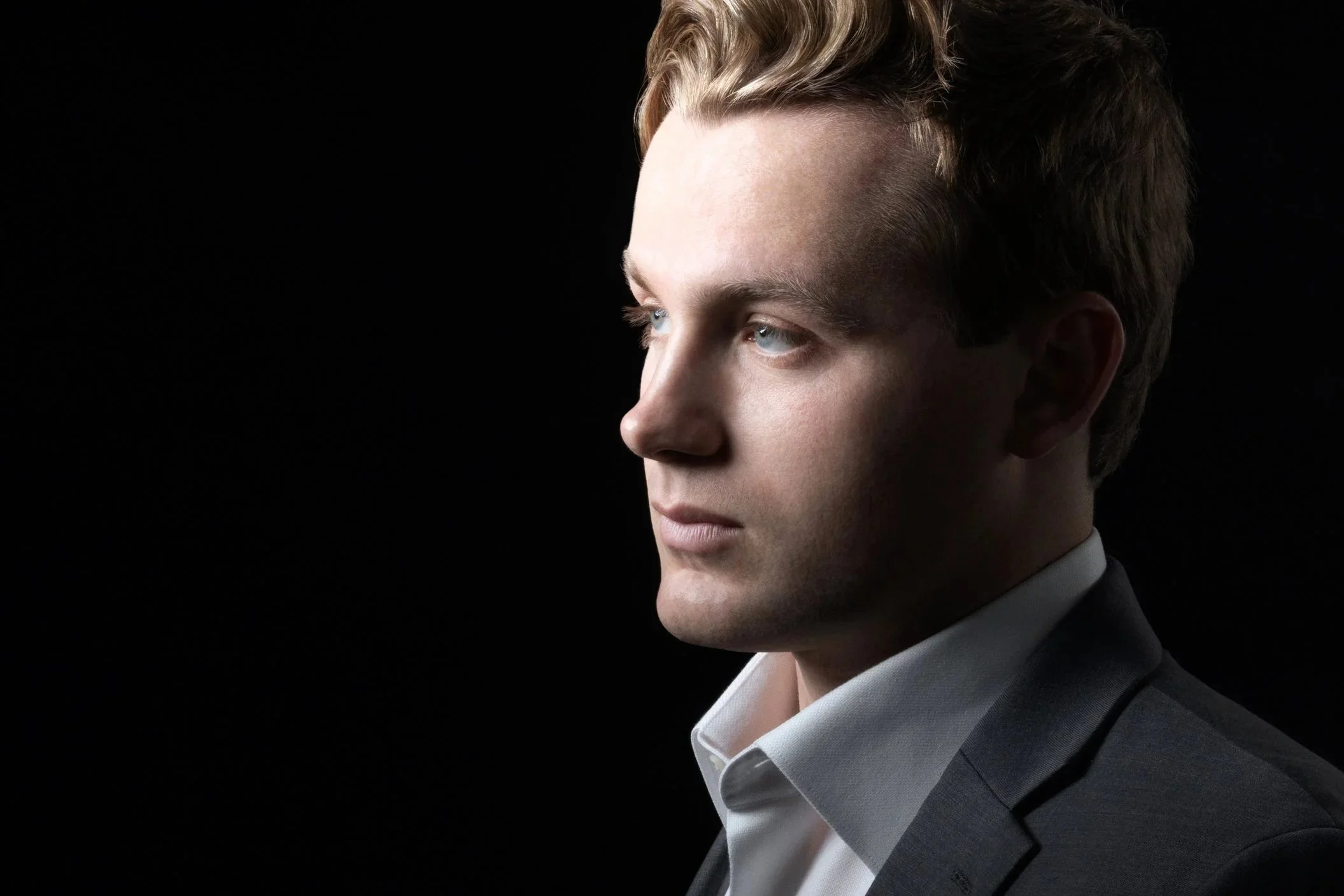
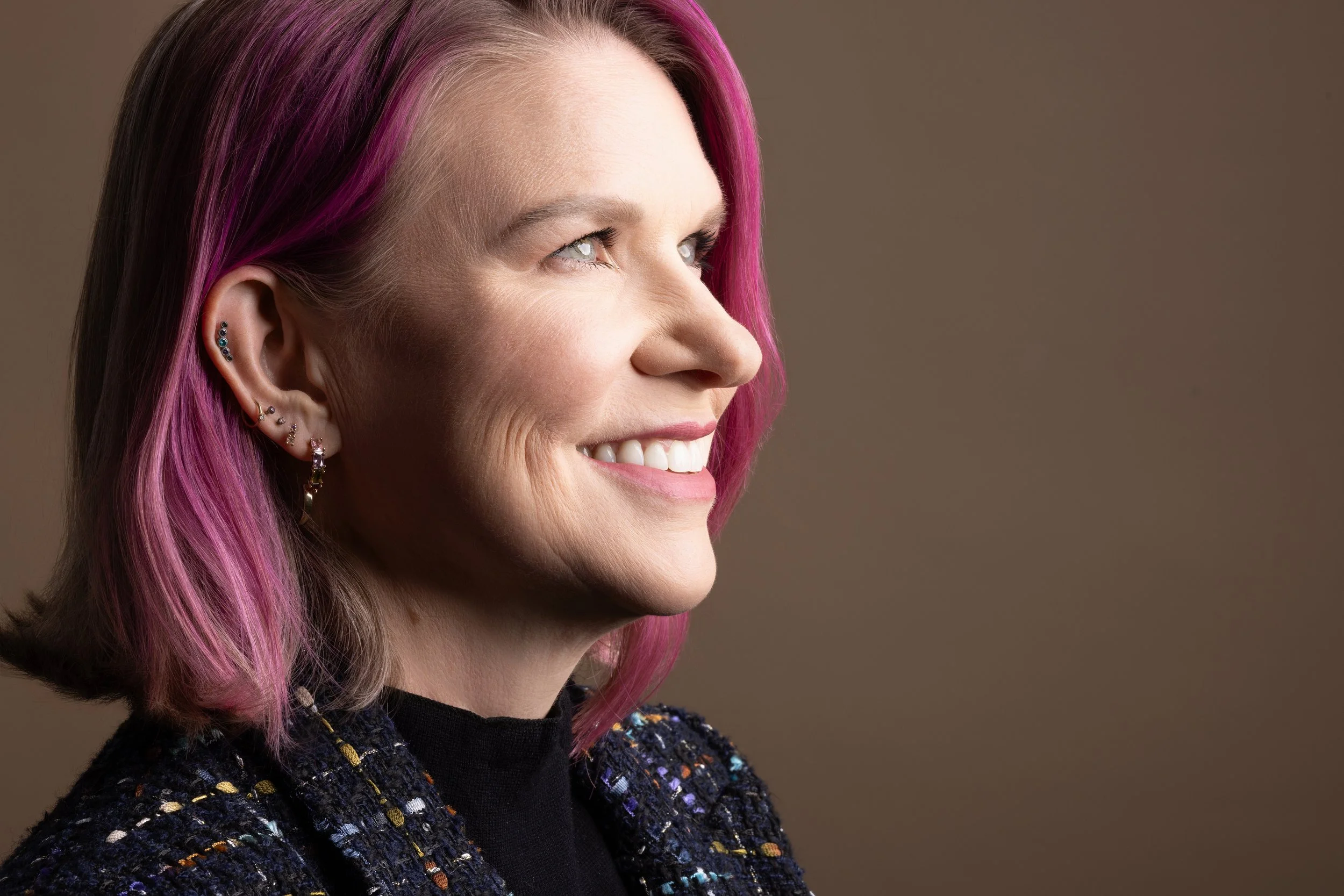
Composition is equally strategic. Intentional framing, precise cropping or dynamic cropping, and considered background choices transform a static image into a purposeful visual statement. Where the subject sits in the frame, how space is used, and how contrast is controlled all influence how the portrait is read—and remembered.
When lighting and composition work together, the result is clarity. The viewer’s attention is guided, not scattered. In crowded digital environments like LinkedIn profiles and corporate websites, this visual efficiency is what makes a portrait stand out without resorting to gimmicks.
A striking professional portrait doesn’t shout. It signals competence, intention, and credibility through restraint and through the photographer’s mastery of craft. In a saturated visual world, mastery—not novelty—is what turns a routine headshot into a powerful professional asset.

See more of our next-level approach to studio lighting in headshots at kendobrown.com/studioheadshots

Brand-Building Photography & Videography for Professionals.